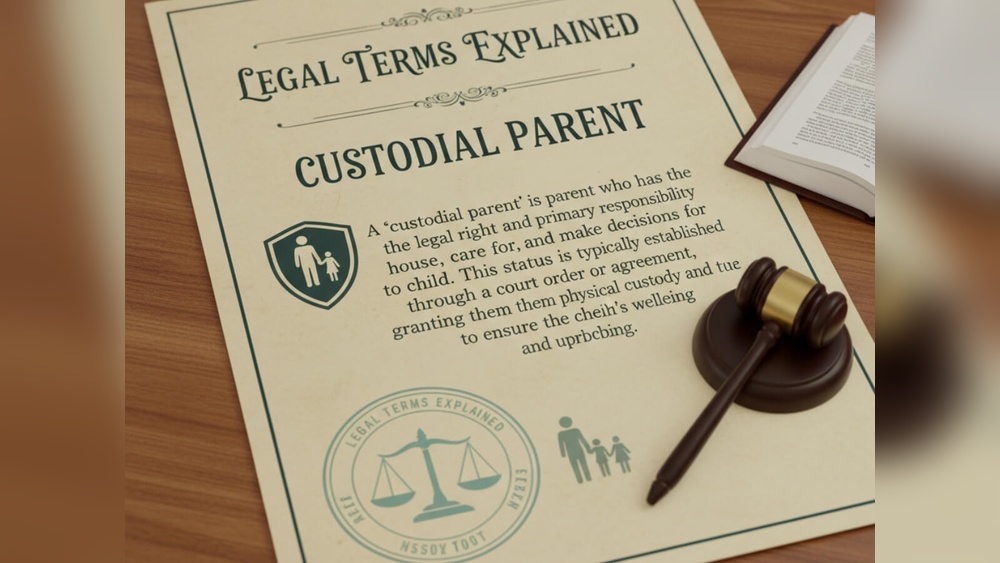
Navigating child custody laws can feel overwhelming, especially if English is not your first language. Many parents worry about their children’s future, but legal terms and court processes can make it hard to understand what’s happening. This article breaks down child custody laws using simple words, clear explanations, and practical examples. You’ll learn what custody means, how courts decide, what parents should know, and what mistakes to avoid. By the end, you’ll feel more confident about your rights and options.
What Is Child Custody?
Child custody is about who takes care of a child after parents separate or divorce. It covers both physical custody (where the child lives) and legal custody (who makes important decisions for the child, like education and health care).
There are two main types:
- Sole custody: One parent has full custody.
- Joint custody: Both parents share custody.
Courts aim to protect the child’s best interests. This means the child’s health, safety, and happiness are most important.
Types Of Custody Explained
Understanding the different types of custody can help you know what to expect.
| Type | Description | Common Example |
|---|---|---|
| Physical Custody | Where the child lives day-to-day | Child lives mostly with one parent |
| Legal Custody | Who makes big decisions for the child | Both parents decide about school and health |
| Joint Custody | Parents share custody (physical, legal, or both) | Child spends time with both parents |
| Sole Custody | One parent has all custody rights | Other parent may have visitation |
Most courts prefer joint custody if both parents are safe and responsible. This helps the child keep strong relationships with both parents.
How Courts Decide Custody
Judges look at many factors to decide what is best for the child. They do not always give custody to the mother or father. Here are some key factors:
- Child’s best interests: Health, safety, and emotional needs.
- Parent’s ability to care: Stability, time, and resources.
- Child’s age and wishes: Older children may be asked what they want.
- History of abuse or neglect: Courts protect children from harm.
- Parent’s relationship with the child: Quality and closeness.
- Cooperation between parents: Can parents work together?
Let’s see a comparison of common factors in US states:
| Factor | California | Texas | New York |
|---|---|---|---|
| Child’s wishes | Considered if age 12+ | Considered if mature | Considered if age 14+ |
| Parent’s health | Yes | Yes | Yes |
| History of abuse | Strong impact | Strong impact | Strong impact |
| Cooperation | Important | Important | Important |
Non-obvious insight: Courts may look at school location or extended family support. For example, if a child has friends or family nearby, judges may keep them close for stability.
Custody Process: Step-by-step
If you need to get custody, here are the usual steps:
- File a petition: Go to your local court and fill out forms asking for custody.
- Serve papers: The other parent must get copies of your request.
- Attend hearings: You may have several court meetings to share your side.
- Child interviews: Sometimes, the judge talks to the child or uses a child specialist.
- Court decision: The judge makes a final order.
Some parents agree outside of court. If you both agree, you can write a parenting plan and ask the judge to approve it. This saves time and stress.
Example: Parenting Plan
A parenting plan is a written agreement. It covers:
- Where the child lives
- Visitation schedule
- Who makes decisions
- Holidays and vacations
If parents disagree, the judge decides.
Visitation Rights
If one parent gets sole custody, the other usually gets visitation. This means spending time with the child, even if not living together.
Visitation can be:
- Fixed schedule: Specific days and times.
- Reasonable visitation: Flexible, as both parents agree.
- Supervised visitation: A third person watches visits for safety.
Stat: In the US, about 16% of custodial parents are fathers, showing that both men and women can get custody depending on the situation.
Child Support Basics
Child support is money paid to help raise the child. Usually, the parent who does not have main custody pays. Courts use income, child needs, and local laws to decide the amount.
| Parent’s Monthly Income | Number of Children | Typical Support Payment |
|---|---|---|
| $2,000 | 1 | $400 |
| $4,000 | 2 | $800 |
| $6,000 | 3 | $1,200 |
Payments are meant for food, housing, education, and health care. Not paying can lead to penalties, like losing a driver’s license or jail time.
Common Mistakes Parents Make
Many parents misunderstand custody laws or make mistakes that hurt their case. Here are key errors to avoid:
- Ignoring court orders: Always follow what the judge says.
- Bad-mouthing the other parent: Negative talk can harm your child and your case.
- Missing deadlines: Late paperwork can delay or ruin your chances.
- Skipping visits: Not seeing your child can show you’re not committed.
- Moving away suddenly: Moving far from your child can lead to losing custody.
Non-obvious insight: Recording conversations or fights without permission can be illegal and may backfire. Always check local laws before recording.
How To Improve Your Custody Chances
If you want custody, try these practical steps:
- Show stability: Safe home, steady job, and routine.
- Stay involved: Attend school events, doctor visits, and spend quality time.
- Communicate calmly: Work with the other parent and avoid fights.
- Keep records: Save emails, texts, and notes about your child’s care.
- Hire a lawyer if possible: Legal help can guide you and protect your rights.
If you cannot afford a lawyer, some courts offer free legal help or mediation services.
Custody For Unmarried Parents
If parents are not married, custody works a bit differently. The mother usually gets custody at birth. The father can ask for custody or visitation by proving paternity (being the child’s father).
A DNA test may be used. Once paternity is proven, fathers have equal rights.
International Custody Issues
If one parent moves to another country, custody gets more complex. Some countries follow the Hague Convention (an agreement to return abducted children to their home country). If your child is taken abroad without permission, talk to a lawyer or your country’s embassy right away.
Important Data And Trends
- Joint custody is rising: In the US, about 40% of new cases now result in joint custody.
- Father’s rights: More courts support fathers’ involvement, not just mothers.
- Children’s wishes: Courts listen to children more, especially teenagers.
Real-life Example
Maria and Juan divorced after 10 years of marriage. They have two children, ages 8 and 12. Maria works full-time, Juan works part-time but attends school events and helps with homework. The judge gave joint legal custody so both parents can decide together. The children live mainly with Maria, but spend weekends and holidays with Juan. This setup allows both parents to stay involved, and the children benefit from strong relationships.

Credit: www.eshawlaw.com
Frequently Asked Questions
What Is The Difference Between Legal And Physical Custody?
Legal custody means the right to make important decisions for the child (like school and health care). Physical custody means where the child lives most of the time.
Can A Child Choose Which Parent To Live With?
Courts may listen to the child’s wishes, especially if they are older (often age 12 or 14+). However, the judge decides based on what is best for the child, not just what the child wants.
Do Fathers Have The Same Rights As Mothers?
Yes, both fathers and mothers have equal rights to ask for custody. Courts look at who can best care for the child, not the parent’s gender.
What Happens If A Parent Moves To Another State?
If a parent moves away, the court may change custody or visitation. The main goal is to keep the child’s life stable. Sometimes, the parent who stays gets more custody.
What If Parents Agree On Custody?
If parents agree, they can write a parenting plan and ask the court to approve it. This is usually faster and less stressful than fighting in court.
Child custody laws can feel complicated, but with the right information, you can protect your child and your rights. Always focus on your child’s needs, stay calm, and follow legal advice. For more details, check the official US government site: Child Welfare Information Gateway. Remember, the court’s goal is your child’s best future. If you need help, reach out to legal experts or support groups in your area.
Read More:
- Insurance Marketing Strategies 2026: Top Trends to Watch
- Best Insurance Affiliate Programs: Top Picks to Maximize Earnings
- Insurance Software for Agencies: Boost Efficiency and Growth
- Commercial General Liability Insurance: Protect Your Business Today
- Best Health Insurance for Freelancers: Top Plans Compared
- Liability Insurance for Contractors: Essential Protection Guide
- Insurance Policy Management Software: Streamline Your Workflow
- Affordable Burial Insurance Plans: Secure Peace of Mind Today