
Insurance agencies face more competition than ever. Customers expect fast service, clear communication, and digital experiences. Managing policies, claims, renewals, and customer data manually is no longer practical. That’s where insurance software for agencies comes in. This technology helps agencies work smarter, serve clients better, and grow their business. But with so many options, choosing the right software can be confusing.
This guide breaks down what insurance software does, why it matters, and how to choose the best system for your agency. You’ll also see real examples, comparison tables, and answers to common questions. Whether you’re a small independent agency or a growing broker, you’ll find practical advice here.
What Is Insurance Software For Agencies?
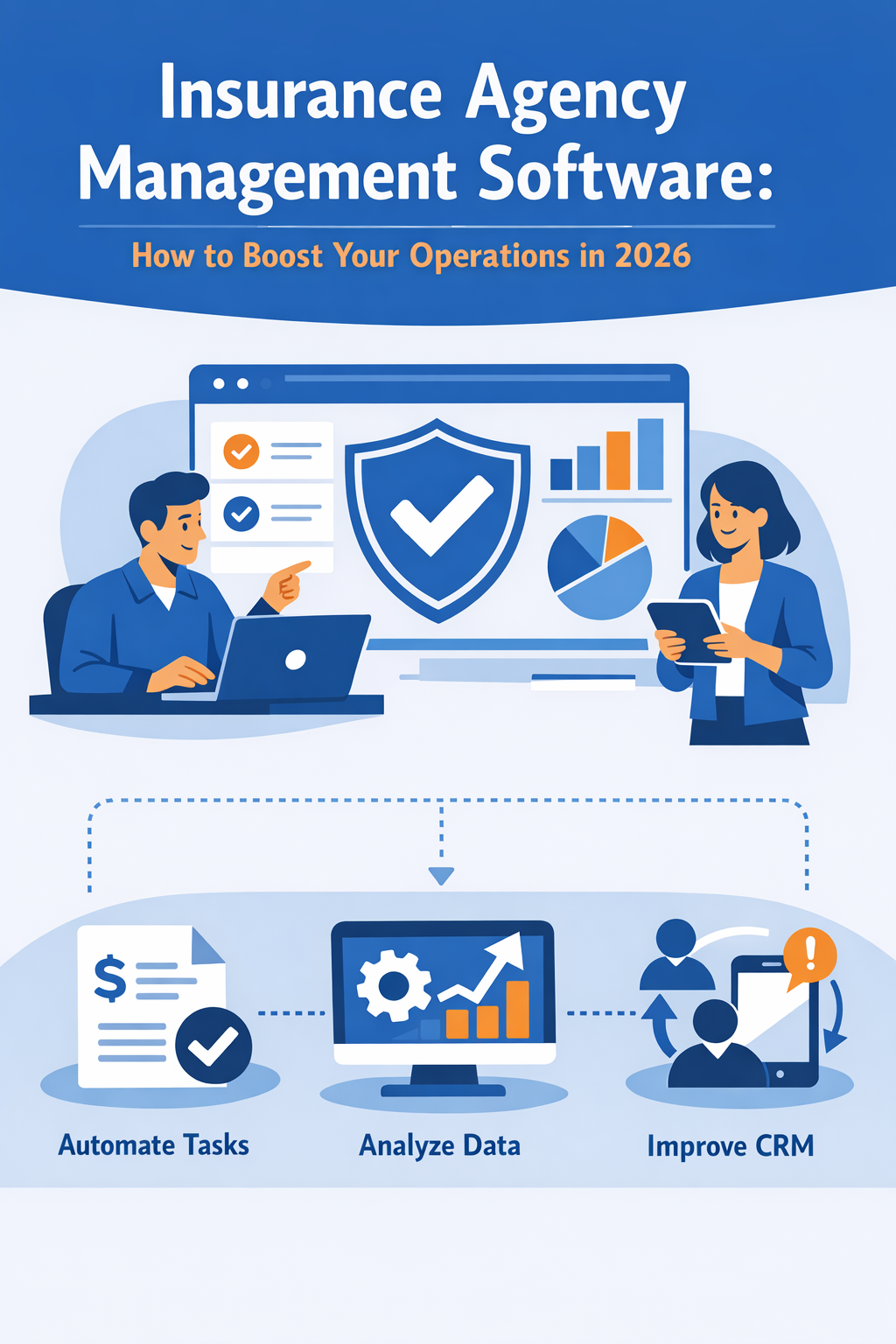
Insurance agency software is a digital system designed to handle everyday tasks for insurance agencies. Instead of using spreadsheets or paper files, agencies can manage all their work in one place. These platforms usually include tools for:
- Policy management
- Client relationship management (CRM)
- Quote and proposal creation
- Claims tracking
- Document storage
- Reporting and analytics
- Commission tracking
Some software is designed just for one type of insurance (like property, health, or auto), while others support multiple products. Most modern solutions are cloud-based, meaning you can access them from anywhere with an internet connection.
Why Insurance Agencies Need Specialized Software
Insurance is a complex business. Agencies must handle sensitive data, stay compliant with regulations, and respond quickly to customer needs. Here’s why specialized software is now essential:
- Efficiency: Automation reduces manual work, saving time on tasks like data entry, renewals, and quoting.
- Accuracy: Built-in checks and validation lower the risk of errors in policies, claims, and commissions.
- Customer Experience: Fast responses and self-service options make clients happier and more loyal.
- Regulatory Compliance: Features help agencies follow state and federal rules, protecting the business from fines or lawsuits.
- Growth: Scalability lets agencies add new agents, products, or locations without extra headaches.
A surprising benefit many agencies miss is data-driven decision making. With the right software, you can see which products sell best, which agents perform well, and where to improve.
Credit: vantagepoint.io
Key Features To Look For
Not every agency needs the same software. But some features matter more than others. Here’s what to focus on:
1. Policy And Client Management
The core of any insurance platform is policy and client management. Look for:
- Centralized client database
- Policy lifecycle tracking
- Automatic reminders for renewals and expirations
- Customizable fields for different insurance types
2. Quoting And Proposals
Generating quotes quickly is crucial. The best systems offer:
- Integrated rating engines (connects to carriers for instant quotes)
- Pre-built templates for proposals
- E-signature support for faster acceptance
3. Claims Handling
Handling claims can make or break the client relationship. Features to expect:
- Claim intake forms
- Status tracking for each claim
- Document upload for photos, receipts, and reports
- Automated updates to clients
4. Reporting And Analytics
To grow, you need insights. Strong reporting tools should include:
- Sales and commission tracking
- Conversion rates for quotes to sales
- Loss ratios by product or agent
- Customizable dashboards
5. Integrations
No software works in isolation. Check for:
- Email and calendar syncing (Outlook, Gmail)
- Carrier integration for real-time data
- Accounting and payment system links
- API access for custom connections
6. Security And Compliance
Protecting client data is non-negotiable. Must-haves include:
- Role-based access controls
- Data encryption (at rest and in transit)
- Audit logs of user activity
- Compliance with standards like HIPAA, SOC 2, or GDPR
7. Mobile Access
With agents often on the go, mobile access is now standard. Look for:
- Responsive web portals
- Native mobile apps for iOS and Android
Leading Insurance Software Solutions Compared
To help you see the differences, here’s a comparison of three popular insurance agency software options:
| Software | Best For | Key Features | Pricing |
|---|---|---|---|
| Applied Epic | Large agencies, brokers | Full policy lifecycle, carrier integration, reporting | Custom quotes |
| HawkSoft | Independent agencies | Client management, e-signature, document storage | Starts at $80/user/month |
| EZLynx | Small to medium agencies | Rating, CRM, marketing tools | Tiered plans from $99/month |
Tip: Don’t just focus on price. Consider which features match your agency’s workflow and growth plans.
How Insurance Software Transforms Agency Operations
Switching to specialized software changes how agencies work:
- Faster quoting: Agents can deliver quotes in minutes, not hours.
- Fewer errors: Automated reminders and data validation prevent costly mistakes.
- Stronger compliance: Built-in rules help avoid regulatory trouble.
- Better teamwork: Everyone accesses the same client data, reducing confusion.
- Remote work: Cloud systems mean agents can serve clients anywhere.
For example, a mid-sized auto insurance agency in Texas switched from spreadsheets to cloud-based software. They cut average quote time from 2 hours to 20 minutes and reduced missed renewals by 80%. The owner said, “We can now handle 30% more clients without hiring extra staff.
”
Another hidden benefit is tracking lost sales. Many agencies never know why a prospect didn’t buy. Good software records lost deals, helping you adjust pricing, products, or sales tactics.
Common Mistakes When Choosing Insurance Software
Buying new software is a big decision. Here are mistakes to avoid:
- Focusing only on price: Cheap systems often lack support, integrations, or security.
- Ignoring user experience: Complicated platforms slow agents down.
- Overlooking mobile access: Agents need to work from the field or home.
- Forgetting training and support: Good onboarding and helpdesk support are critical, especially for non-technical users.
- Not planning for growth: Choose software that can scale with your agency, adding users or features as needed.
It’s also important to involve your team in the selection process. Ask agents, managers, and support staff what would help them most.
Real-world Benefits: Data And Statistics
Numbers tell a clear story. A 2023 industry survey found:
- Agencies using software processed 40% more policies per employee than those using manual systems.
- Customer satisfaction scores were 25% higher for agencies with digital portals.
- Renewal rates improved by 15% after adding automated reminders.
- Agencies reported a 30% drop in E&O (errors and omissions) claims after moving to digital workflows.
These results show that the right system isn’t just “nice to have”—it drives real business value.
Integrating Insurance Software With Other Tools
No agency uses just one tool. Integration is key for efficiency. Common integrations include:
- Email and calendar: Sync appointments, follow-ups, and reminders.
- Carrier portals: Get live quotes, submit applications, and track commissions.
- Accounting software: Automate billing, invoicing, and commission payouts.
- Marketing platforms: Launch email campaigns and track results.
Here’s a simple look at how integrations can connect your core systems:
| Integration | Main Benefit | Popular Options |
|---|---|---|
| Email & Calendar | Automated reminders | Outlook, Gmail |
| Carrier Portals | Real-time quoting | Vertafore, Applied |
| Accounting | Seamless billing | QuickBooks, Xero |
| Marketing | Client engagement | Mailchimp, HubSpot |
Pro insight: Always check whether your chosen insurance software uses open APIs. This makes it easier to add new tools in the future.

Credit: market.us
What To Consider When Selecting Your System
The right software depends on your agency’s size, products, and goals. Here are key questions to ask:
- How many users will need access? Some systems price per user, others by features.
- Which insurance lines do you sell? Make sure the software supports property, life, health, or whatever lines you need.
- Do you need on-premises or cloud-based? Cloud is now standard for flexibility and updates.
- What is your training capacity? Consider how easy the system is to learn.
- How strong is vendor support? Check reviews and service level agreements.
Some agencies forget to review the migration process. Moving data from old systems or spreadsheets can take time. Ask vendors if they offer import tools or data migration support.
Implementation: Getting Your Team On Board
Even the best system fails if your team doesn’t use it. Rollout tips:
- Involve staff early: Let them test demos and give feedback.
- Set clear goals: Define what success looks like (e.g., reduce quote time by 50%).
- Provide training: Use vendor webinars, guides, and live support.
- Start with a pilot: Roll out to a small group first, then expand.
- Measure results: Track key metrics before and after implementation.
A common beginner mistake is launching all features at once. Start with core tools, then add advanced options over time.

Credit: totalcsr.com
Security And Compliance: Non-negotiable Essentials
Insurance agencies handle sensitive information like Social Security numbers, health data, and payment info. Security is critical:
- Use strong passwords and two-factor authentication.
- Limit access based on job roles.
- Audit user activity regularly.
- Update software as soon as patches are released.
- Back up data in secure, offsite locations.
Look for software providers with industry certifications (like SOC 2) and clear privacy policies. For more on data security standards, visit the National Institute of Standards and Technology.
Insurance Software Roi: What To Expect
Many agencies wonder if the investment is worth it. Here’s a simple overview of potential returns:
| Area | Manual Process | With Software | Improvement |
|---|---|---|---|
| Quote Delivery Time | 2 hours | 20 minutes | 6x faster |
| Missed Renewals | 12/month | 2/month | 83% reduction |
| Data Entry Errors | 10/month | 2/month | 80% fewer errors |
| Annual E&O Claims | 3 | 1 | 67% drop |
ROI varies, but most agencies see payback within 6–18 months, thanks to more sales, lower errors, and better retention.
Frequently Asked Questions
What Is The Best Insurance Software For Small Agencies?
The best choice depends on your needs, but EZLynx and HawkSoft are popular for small agencies due to easy setup and affordable plans. Look for systems with strong customer support and mobile access.
How Long Does It Take To Implement New Insurance Software?
Most cloud-based systems can be set up in 2–6 weeks. Data migration and training may add time, especially if moving from paper or older software. Starting with a pilot group can speed up adoption.
Can Insurance Software Help With Regulatory Compliance?
Yes. Good software includes tools for managing licenses, tracking renewals, and creating audit logs. This reduces the risk of non-compliance and keeps your agency ready for inspections.
Is Cloud-based Software Secure Enough For Insurance Agencies?
Reputable cloud providers use encryption, regular backups, and strong access controls. Always check for industry certifications and clear privacy policies. Cloud systems are usually safer than on-premises servers due to better maintenance.
What Is The Biggest Mistake Agencies Make When Choosing Software?
The biggest mistake is picking a system based only on price or features, without considering user experience and support. Always involve your team, check reviews, and test the software before committing.
Insurance software for agencies is no longer optional—it’s a business essential. The right system saves time, protects clients, and helps your agency stand out in a crowded market. By focusing on features that fit your workflow, planning for growth, and training your team, you can unlock the full power of digital tools.
The future of insurance is digital, and agencies ready to adapt will lead the way.
Read More:
- Insurance Marketing Strategies 2026: Top Trends to Watch
- Best Insurance Affiliate Programs: Top Picks to Maximize Earnings
- Commercial General Liability Insurance: Protect Your Business Today
- Best Health Insurance for Freelancers: Top Plans Compared
- Liability Insurance for Contractors: Essential Protection Guide
- Insurance Policy Management Software: Streamline Your Workflow
- Affordable Burial Insurance Plans: Secure Peace of Mind Today
- Best Travel Medical Insurance Plans: Top Picks for 2024