The insurance industry is changing fast. New technology, customer expectations, and global events are pushing insurance companies to rethink how they reach people. With 2026 on the horizon, winning in insurance marketing means adopting fresh strategies, using data smartly, and building trust in an uncertain world.
This guide explores the most effective insurance marketing strategies for 2026. You’ll learn about digital tools, personalization, partnerships, and ways to stand out in a crowded market. Whether you work for a global insurance brand or a local agency, you’ll discover practical tips and trends you can act on now.
The Insurance Market In 2026: Trends And Challenges
By 2026, the insurance market will be more digital than ever. According to Statista, the global insurtech market is expected to reach $10.7 billion by 2026, more than doubling from 2022. Customers, especially younger ones, expect easy online experiences, quick answers, and personalized offers.
But there are also new challenges:
- Rising competition from digital-first startups.
- Regulatory changes about data privacy and AI.
- More complex risks (climate change, cyber threats, global pandemics).
Smart marketing in 2026 means being ready for these shifts. Companies that adapt will gain trust and market share.
Digital Transformation: The Core Of Insurance Marketing
The shift to digital is not new, but by 2026, it will be the foundation for all marketing in insurance. Customers now research, compare, and buy policies online. This means insurance companies must meet them where they are—on websites, social media, and mobile apps.
Key Digital Tools For Insurance Marketers
- AI-driven chatbots: These provide 24/7 help, answer common questions, and guide people to the right policy.
- Automated email campaigns: Personalized emails based on behavior can increase sales and retention.
- Customer portals: Secure sites where customers can manage policies, file claims, and get advice.
- Mobile apps: Allow customers to access policies, file claims, and get support instantly.
A recent study found that 73% of insurance buyers are more likely to pick a provider with a strong digital presence.
Data Table: Digital Tool Impact In Insurance
| Digital Tool | Main Benefit | Adoption Rate (2026, projected) |
|---|---|---|
| AI Chatbots | Faster customer support | 65% |
| Mobile Apps | Self-service convenience | 78% |
| Automated Emails | Personalized engagement | 82% |
| Customer Portals | Policy management | 88% |
Non-obvious insight: Many insurers focus on websites but forget mobile apps. In 2026, mobile-first design will become a key trust signal, especially for millennials and Gen Z.

Credit: callhub.io
Personalization: The New Standard
Gone are the days of one-size-fits-all insurance ads. By 2026, companies must tailor messages, offers, and experiences for each customer. This is called hyper-personalization.
How To Achieve Effective Personalization
- Use customer data wisely: Collect data from quotes, claims, website visits, and customer service chats. Use it to understand needs and behaviors.
- Segment audiences: Divide customers into groups (age, life stage, risk profile) for targeted offers.
- Dynamic content: Change website and email content based on user actions.
A McKinsey report found that personalized digital experiences can increase insurance sales by up to 20%.
Practical tip: Start small. Even using a customer’s first name in emails or sending reminders about expiring policies can boost engagement.
Content Marketing: Building Trust And Authority
In insurance, trust matters. People want to know their provider is reliable and understands their needs. Content marketing helps achieve this by sharing helpful advice, real stories, and clear explanations.
Winning Content Types For 2026
- Explainer videos: Short clips that make insurance topics easy to understand.
- Customer stories: Real-life claims and how insurance helped.
- Interactive tools: Calculators for coverage needs or risk assessments.
- Webinars and online events: Live Q&As with experts.
Data point: 62% of insurance buyers say they trust a company more if it provides useful content, according to a 2023 Edelman Trust Barometer.
Non-obvious insight: Many insurers use complex words. In 2026, simple, clear language wins. Use visuals and real examples, not jargon.

Credit: www.agencyperformancepartners.com
Omnichannel Marketing: Meeting Customers Everywhere
People don’t stick to one channel. They may start with a web search, compare on social media, ask questions via chat, and finish by phone. Omnichannel means offering a smooth experience everywhere.
Essential Channels For Insurance In 2026
- Website (with live chat and easy quotes)
- Social media (Facebook, Instagram, LinkedIn, TikTok)
- Mobile app
- Phone/Video calls
- In-person (for complex cases)
Data Table: Channel Effectiveness for Insurance Leads (2026 Projections)
| Channel | Lead Conversion Rate | Customer Satisfaction Score |
|---|---|---|
| Website | 19% | 8.1/10 |
| Mobile App | 16% | 8.7/10 |
| Social Media | 12% | 7.5/10 |
| 9% | 7.9/10 | |
| Phone | 14% | 8.3/10 |
Practical tip: Many insurers treat each channel separately. By 2026, connecting all channels with a Customer Relationship Management (CRM) system will be a must to avoid confusion and lost leads.
Social Proof And Reviews: The Power Of Trust Signals
Insurance is all about trust. In 2026, online reviews, ratings, and testimonials will have even more impact.
- 90% of buyers check online reviews before choosing an insurer (BrightLocal survey, 2024).
- Video testimonials are more trusted than written ones.
Encourage happy customers to share their stories. Show real ratings on your website and social media. Respond quickly to negative reviews to show you care.
Pro tip: Partner with industry comparison sites to get your ratings seen by more people.
Credit: www.thebusinessresearchcompany.com
Influencer And Partnership Marketing
New generations trust influencers more than ads. By 2026, insurance companies will work with influencers, financial coaches, or local experts to reach new audiences.
- Micro-influencers (with 5k–50k followers) often deliver higher engagement.
- Partner with fintech apps, realtors, car dealers, or healthcare companies for bundled offers.
Example: An insurance brand teams up with a popular personal finance YouTuber to explain why renters need coverage, increasing leads from first-time buyers.
Non-obvious insight: Avoid only working with national celebrities. Local influencers often have more trust and lower costs.
Advanced Data Analytics: Smarter, Not Just Bigger
Data is everywhere, but smart marketing means using it well. By 2026, advanced analytics will help insurers predict what customers want, when they’re likely to buy, and which policies fit best.
Key Uses Of Analytics
- Lead scoring: Rank prospects based on how likely they are to buy.
- Churn prediction: Spot customers at risk of leaving and reach out early.
- Campaign optimization: Test and improve ads and emails in real time.
Data Table: Analytics Use Cases and Benefits
| Analytics Use Case | Main Benefit | ROI Increase (%) |
|---|---|---|
| Lead Scoring | Higher sales conversion | 18% |
| Churn Prediction | Improved retention | 15% |
| Campaign Optimization | Lower ad costs | 20% |
Practical tip: Don’t just collect data—train your team to use it. Many insurers spend on analytics tools but don’t act on the insights.
Video Marketing: The Visual Revolution
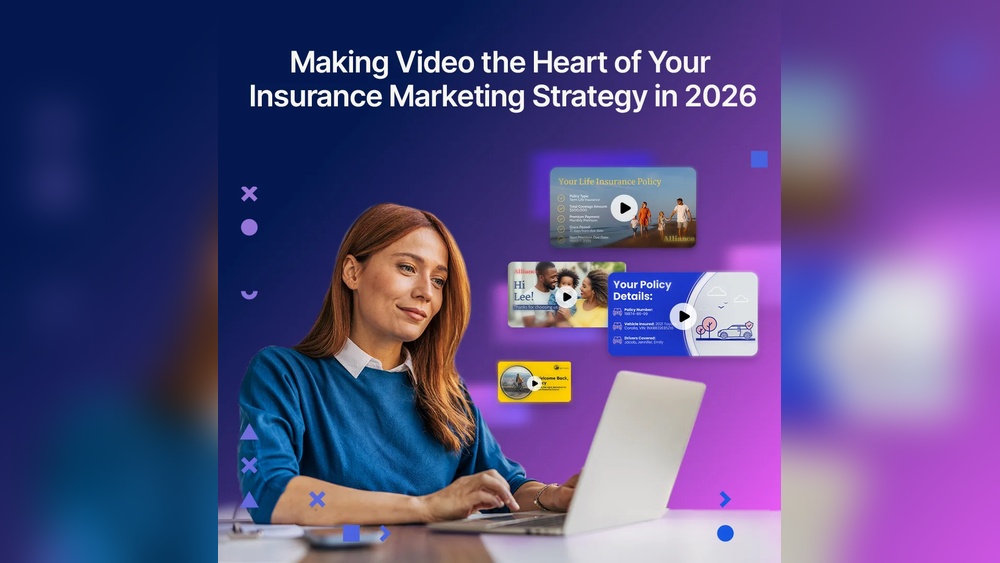
Video is becoming the top way people learn and make decisions. In 2026, insurance brands using video will see higher engagement, especially with complex products.
Types Of Video Content That Work
- Quick explainers: 60–90 second clips explaining coverage basics.
- Claims walkthroughs: How to file and what to expect.
- Customer stories: Real people sharing their experiences.
Stat: YouTube reports that insurance-related video searches grew 33% from 2022 to 2024.
Pro tip: Add subtitles to every video. Many users watch on mute or are non-native English speakers.
Regulatory Compliance: Marketing Within The Rules
Insurance is a tightly regulated industry. By 2026, new laws on data privacy (like GDPR and CCPA) and AI will affect marketing.
- Always get clear consent for data use.
- Be transparent about how you use customer info.
- Avoid exaggerated claims in ads.
Example: A chatbot must state that it’s AI-powered and explain how it uses customer data.
For the latest on compliance, check updates from the National Association of Insurance Commissioners.
Mistakes To Avoid In Insurance Marketing (2026)
Even experienced marketers make missteps. Here are the most common mistakes—and how to avoid them:
- Ignoring mobile users: Many still focus on desktop, but most traffic is now mobile.
- Using jargon: Customers want simple explanations, not legal terms.
- Slow follow-up: Delay means lost leads—use automation for speed.
- Siloed teams: Marketing, sales, and service must work together for a seamless experience.
- Forgetting about retention: Keeping existing customers is as important as getting new ones.
Practical advice: Regularly test your own buying process. If it’s confusing or slow, fix it before customers leave.
The Future Of Insurance Marketing: What’s Next?
Looking ahead, a few trends will shape insurance marketing strategies:
- AI-powered personalization: Offers and advice tailored in real time.
- Voice search: More customers will ask smart assistants for insurance info.
- Wearable data: Health and life insurers will use data from fitness trackers (with consent) to offer discounts or advice.
- Sustainability: Customers will look for insurers supporting green policies and social causes.
Companies that listen, adapt, and stay customer-focused will lead in 2026 and beyond.
Frequently Asked Questions
What Is The Most Effective Insurance Marketing Channel In 2026?
There is no single “best” channel. Customers use multiple channels—website, social media, mobile apps, and phone. The key is a seamless omnichannel experience where information and support are consistent across all touchpoints.
How Important Is Personalization In Insurance Marketing?
Personalization is critical. Customers expect offers and advice that fit their needs. Using data to tailor communication can increase sales, loyalty, and trust.
Are Influencers Really Useful For Insurance Marketing?
Yes. Influencers—especially local and micro-influencers—can build trust and explain products in relatable ways. They help reach new audiences, especially younger buyers who may not trust traditional ads.
How Can Insurance Companies Use Video In Their Marketing?
Insurance companies can use video to explain policies, share customer stories, and guide people through claims. Short, clear videos with subtitles work best, especially for complex topics.
What Is A Common Marketing Mistake Insurance Companies Make?
A major mistake is using complex language or jargon that confuses customers. Keep messages simple and clear. Also, not following up with leads quickly loses business.
—
Insurance marketing in 2026 will be more digital, personal, and customer-focused than ever. Winning means using smart tools, building trust, and adapting to change. Companies that invest in digital transformation, clear communication, and real relationships will be ready for the future.
Read More:
- Best Insurance Affiliate Programs: Top Picks to Maximize Earnings
- Insurance Software for Agencies: Boost Efficiency and Growth
- Commercial General Liability Insurance: Protect Your Business Today
- Best Health Insurance for Freelancers: Top Plans Compared
- Liability Insurance for Contractors: Essential Protection Guide
- Insurance Policy Management Software: Streamline Your Workflow
- Affordable Burial Insurance Plans: Secure Peace of Mind Today
- Best Travel Medical Insurance Plans: Top Picks for 2024