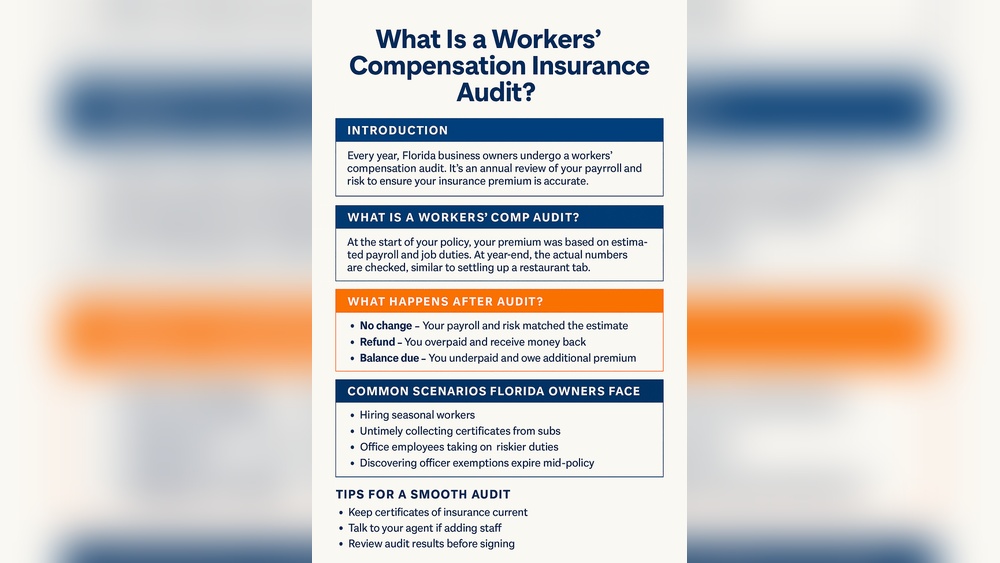
Workers compensation insurance is a critical part of protecting both businesses and employees in the United States. This insurance covers medical costs, lost wages, and rehabilitation for workers injured on the job. But to keep premiums fair and accurate, insurers require regular audits. For many business owners, the workers compensation insurance audit process can feel confusing and stressful. Understanding how audits work, what documents are needed, and common mistakes to avoid can make the process much smoother.
Why Workers Compensation Audits Happen
Insurance companies use audits to check if you paid the correct premium for your policy. Workers compensation premiums are based on your payroll, job classifications, and sometimes other factors. During the policy year, you estimate your payroll, but actual numbers often differ.
Audits help insurers adjust the premium up or down based on the real figures.
A typical audit takes place once a year, after your policy period ends. Sometimes, insurers do random audits or more frequent checks for high-risk industries. Audits are not meant to catch mistakes or penalize honest errors—they simply ensure everyone pays the right amount.
How The Audit Process Works
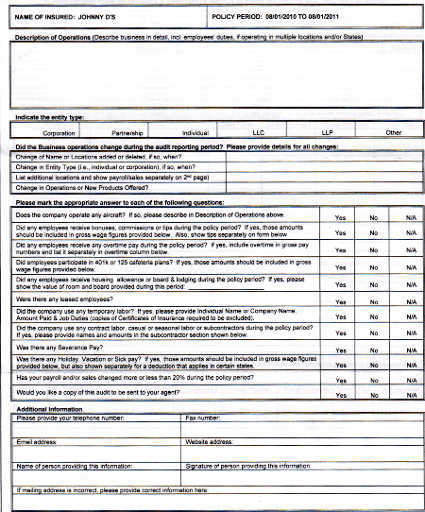
The audit process starts when your insurance company contacts you, usually by mail or email. They request documents and may schedule a visit or offer a virtual audit. Audits can be:
- Physical: The auditor visits your office and reviews records in person.
- Remote: You send documents electronically, and the audit happens online.
- Phone: An auditor calls and asks for information during the conversation.
Most audits take 1–2 weeks, but larger companies or complex cases can take longer. At the end, you receive a report showing any premium adjustments.
Key Documents Auditors Need
To complete a workers compensation audit, you must provide several documents:
- Payroll records: Includes gross wages, bonuses, overtime, commissions, and tips.
- Tax forms: 941, 1099, W-2, and W-3 forms.
- Contracts: For subcontractors and independent contractors.
- Certificates of insurance: For any subcontractors you used.
- Employee lists: Names, job descriptions, and classification codes.
If you use payroll services or accounting software, you can usually download these records easily.

Credit: www.insureon.com
What Gets Checked In The Audit
Auditors focus on three main things:
- Payroll totals: They compare your estimated payroll to actual numbers.
- Classification codes: Each job is assigned a code based on risk (for example, office workers vs. construction workers).
- Employee status: They check if workers are employees or contractors.
Errors in any of these can lead to premium changes. For example, if you misclassify a high-risk worker as low-risk, your insurer may charge extra.
Common Audit Mistakes Businesses Make
Many companies make mistakes during audits, often without realizing. Here are a few common errors:
- Misclassifying employees: Assigning the wrong risk code can cause big premium changes.
- Missing subcontractor insurance: If your subcontractor lacks their own coverage, you may be charged for their payroll.
- Incorrect payroll totals: Not including bonuses or overtime can cause underpayment.
- Not keeping records: Poor documentation makes audits harder and increases the chance of mistakes.
One non-obvious insight: Sometimes companies forget seasonal workers or temporary staff. These must be included in payroll records, even if they only worked a short time.
How Premiums Are Calculated
Premiums for workers compensation insurance depend on several factors. Here’s a breakdown:
| Factor | Description | Impact on Premium |
|---|---|---|
| Payroll Amount | Total wages paid during policy period | Higher payroll = higher premium |
| Job Classification | Risk level of each worker’s job | Riskier jobs cost more |
| Claims History | Past injury or illness claims | More claims = higher premium |
| State Requirements | State laws and rates | Varies by location |
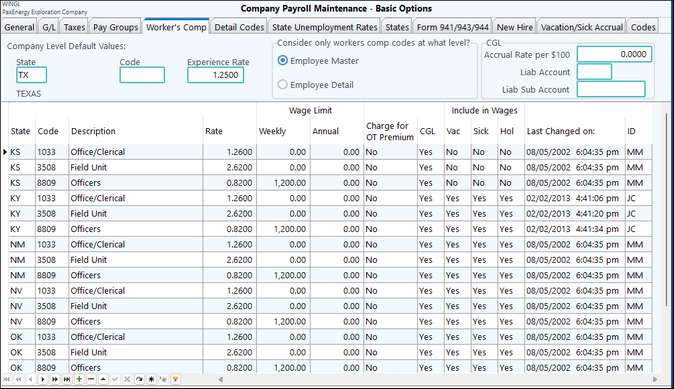
Most states use classification codes published by the National Council on Compensation Insurance (NCCI). These codes help insurers estimate risk and set premiums.
Credit: help.pakenergy.com
Preparing For Your Audit
Preparation is the best way to avoid problems and speed up the audit. Here’s what you should do:
- Organize payroll records: Keep clear, updated records for all employees.
- Review classification codes: Make sure each worker is coded correctly.
- Check subcontractor insurance: Collect certificates before hiring outside help.
- Update employee lists: Include all workers, even part-time or temporary.
- Schedule audit early: Respond quickly to your insurer’s request.
Another non-obvious tip: Some payroll systems can flag unusual payments or bonuses, which helps auditors spot errors before they become problems.
What Happens After The Audit
Once the audit is complete, your insurer will send a summary. This report shows:
- Final payroll totals
- Classification breakdown
- Premium adjustment (increase or decrease)
If you underpaid, you’ll owe more. If you overpaid, you may get a refund or credit. It’s important to review the audit report carefully and ask questions if something doesn’t look right.
Disputing Audit Results
Sometimes, companies disagree with the audit findings. You have the right to dispute errors or provide more information. Most insurers give you 30 days to respond. If you think the auditor made a mistake, gather supporting documents and contact your insurance company.
Comparing Physical Vs. Remote Audits
Both physical and remote audits have pros and cons. Here’s a quick comparison:
| Audit Type | Pros | Cons |
|---|---|---|
| Physical | Personal review, easier for complex cases | Time-consuming, may disrupt business |
| Remote | Faster, less disruption, convenient | May miss details if records are incomplete |
Small businesses often prefer remote audits, while large companies or those with complex payrolls may need a physical audit.
How Subcontractors Affect Your Audit
Many businesses use subcontractors, especially in construction and cleaning. Insurers want to know if these workers have their own coverage. If not, you could be responsible for their payroll in your audit.
Here’s how it works:
- If your subcontractor has workers compensation insurance, get a certificate of insurance from them.
- If not, their wages are added to your payroll, increasing your premium.
This is a common mistake: forgetting to collect certificates from subcontractors. It can cost thousands in extra premiums.
Credit: lifeonacocktailnapkin.com
Industry Differences In Audits
Workers compensation audits are not the same for every industry. For example:
- Office businesses: Usually have low-risk codes. Audits focus on payroll accuracy.
- Construction: High-risk codes. Audits check subcontractors and job site records.
- Restaurants: Audits look at tips, seasonal staff, and kitchen vs. service workers.
Here’s a quick look at how audits differ by industry:
| Industry | Audit Focus | Common Challenges |
|---|---|---|
| Construction | Subcontractors, risk codes, payroll | Missing certificates, misclassification |
| Retail | Seasonal staff, payroll totals | Forgotten temporary workers |
| Healthcare | Job roles, overtime | Incorrect coding of nurses vs. admin staff |
| Office | Payroll, classification | Rare risk code mistakes |
Knowing your industry’s audit focus can help you prepare and avoid errors.
Tips For A Smooth Audit Experience
Getting through a workers compensation audit doesn’t have to be stressful. Here are some practical tips:
- Communicate with your auditor: Ask questions early and clarify what documents are needed.
- Keep digital records: Electronic payroll and tax files make audits faster.
- Check your records regularly: Review payroll and classifications every quarter, not just at audit time.
- Train staff: Make sure HR and payroll teams understand audit requirements.
- Use professional help if needed: Accountants or payroll providers can assist with complex audits.
Most businesses find that preparation and clear communication prevent most audit issues.
The Role Of State Laws
Workers compensation rules and audits depend on state laws. Some states require certain documents or use different classification codes. For example, California uses its own codes, while most other states rely on NCCI. Always check your state’s requirements to avoid surprises.
For more details on state rules, visit the National Council on Compensation Insurance website.
Frequently Asked Questions
What Happens If I Miss The Audit Deadline?
If you miss the audit deadline, your insurer may estimate your payroll and charge a higher premium. Some companies may cancel your policy or refuse to renew it. It’s important to respond quickly and ask for extensions if needed.
How Do I Dispute An Audit Result?
To dispute an audit, review the report and collect supporting documents. Contact your insurer within 30 days and explain the error. Provide payroll records, tax forms, or certificates that show your numbers are correct.
Are Independent Contractors Included In The Audit?
Yes, independent contractors are included if they do not have their own workers compensation insurance. You must provide their payroll and contracts. If they have coverage, collect their certificates to exclude their wages from your audit.
Can My Premium Decrease After An Audit?
Absolutely. If your actual payroll was lower than estimated or you used fewer high-risk workers, your premium can decrease. You may receive a refund or credit for the next policy period.
What Are The Most Common Audit Mistakes?
The most common mistakes are misclassifying employees, missing subcontractor certificates, incorrect payroll totals, and poor recordkeeping. Seasonal and temporary workers are often forgotten, which can lead to surprise charges.
Workers compensation insurance audits may seem complex, but understanding the process and preparing carefully makes them manageable. Keep clear records, ask questions, and know your industry’s risks. This protects your business, keeps costs fair, and ensures your employees are covered when they need it most.
Read More:
- Insurance Marketing Strategies 2026: Top Trends to Watch
- Best Insurance Affiliate Programs: Top Picks to Maximize Earnings
- Insurance Software for Agencies: Boost Efficiency and Growth
- Commercial General Liability Insurance: Protect Your Business Today
- Best Health Insurance for Freelancers: Top Plans Compared
- Liability Insurance for Contractors: Essential Protection Guide
- Insurance Policy Management Software: Streamline Your Workflow
- Affordable Burial Insurance Plans: Secure Peace of Mind Today